

Admin
Industries Insights About Book a demo
System integration

System integration services in Singapore

APIs, middleware and connectors that make six systems behave like one — including the twenty-year-old one nobody wants to touch and the SaaS product with a rate limit.

RESTGraphQLSOAPWebhooksMessage queuesSFTP & EDIOAuth 2.0ERP connectorsPayment gatewaysMQTTCAN busETL
0Interfaces built
0Retry & reconcile
0Typical project
0Monitoring
The problem

The integration is where the project actually goes wrong

Not because connecting systems is hard, but because nobody fully understands what the old one does.

Every enterprise project has the same shape of risk. The new system is well understood, because someone is designing it now. The system it has to talk to was configured in 2011 by a contractor who left, has three undocumented custom fields, and returns a 200 status code on failure.

So we start integration work early rather than saving it for the end. Discovering in week two that an API cannot supply a required field is a scope conversation. Discovering it in week twenty is a crisis. Every interface we build assumes failure: retries, dead-letter handling, and a reconciliation report that proves both sides agree.

The question we ask first: what happens when this interface fails at 2am on a Sunday? If the answer is "someone notices on Monday", that is the actual problem to solve — not the connection itself.

What we do

What we connect

If a system has an API, a database, or a scheduled export, we can usually work with it.

API development & design

REST and GraphQL services with versioning, authentication and documentation, so the next integration is somebody else's easy job.

Middleware & message queues

Asynchronous processing, queuing and orchestration for volumes and failure modes that direct point-to-point calls cannot survive.

ERP, CRM & accounting connectors

Bidirectional sync of customers, orders, invoices and inventory, with conflict rules agreed rather than assumed.

Payment & banking integration

Gateway integration, reconciliation against settlement files, and the exception handling that matters when money is involved.

IoT & hardware integration

Telematics units, sensors, scanners, readers and controllers — MQTT, serial and CAN bus into systems that expect clean records.

Legacy connectivity

Getting data out of systems with no API, via database views, file drops or screen-level automation where there is genuinely no other route.

Deliverables

What you actually receive

Everything below is yours to keep, and to take elsewhere if you ever decide to.

An interface inventory: every system, direction, field and frequency
Field-level mapping documentation agreed before build
Monitoring and alerting on every interface, with retry logic
Reconciliation reports proving both sides agree
A rollback plan for each interface, tested before go-live
Runbook covering what to do when an interface fails
Proof, not promises

We built this for ourselves first

The fastest way to judge whether we can build your system is to look at one we already run in production.

Karbon0

Karbon0 is an integration problem wearing an ESG hat: utility bills, fuel records, travel systems and supplier submissions all have to land in one ledger with an audit trail back to source. It is the same discipline we bring to connecting your systems.
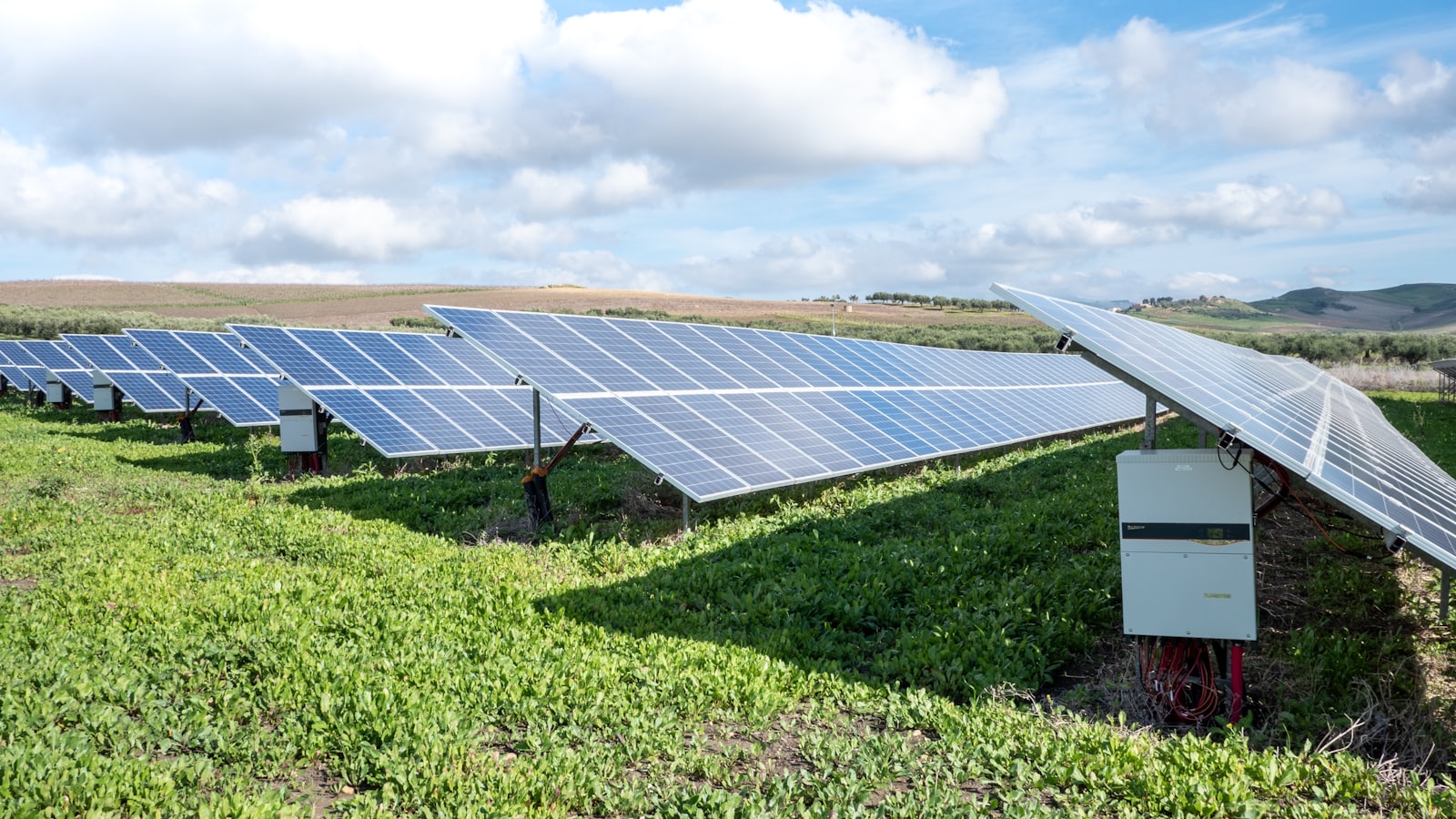

Solar installation
Signals

Symptoms of an integration problem

Staff re-key the same data

The clearest signal, and the easiest to cost: count the hours and it usually justifies the project on its own.

Reports never agree

Two systems answer the same question differently and someone reconciles by hand every month.

Data is always a day old

Overnight batch files where the business now needs to know within minutes.

Common questions

What clients ask first

Making separate business systems work as one — so data entered in a single place appears everywhere it is needed, without anyone re-typing it. In practice it means APIs, middleware and connectors, plus the monitoring and reconciliation that keep them trustworthy.
Usually. We work with the major platforms and with in-house systems. During scoping we test against your specific version and tell you plainly if a required behaviour is not exposed.
Common, and workable. Database views, scheduled file exports, or in the worst case controlled screen-level automation. Each has trade-offs and we will be honest about them.
A single well-documented interface can be weeks. A programme connecting several systems with data cleansing usually runs a few months. The variable is almost never our end — it is how well the existing systems are understood.
It will, eventually — a certificate expires, an API changes, a supplier changes a file format. Every interface we build has monitoring, alerting, retries and a documented runbook, so failure is noticed and handled rather than discovered in a month-end report.
Related

Often needed alongside

IoT solutions

When the things being integrated are devices, not databases.

See IoT

Data services

Migration, quality and governance for the data flowing between systems.

See data services

Snowfire Cloud ERP

One back office for the systems to integrate with.

See Snowfire
Next step

Bring us the messy problem. We like those.

A 30-minute call, no deck, no obligation. Tell us what is breaking and we'll say honestly whether we're the right team to fix it.